
In olden days, cars were named for the guy – and it was always a guy – who built them. Hudson, Dodge, Studebaker, Ford, Chrysler, McLaughlin, Buick, Olds, Chevrolet, Nash and Packard among them. Not a final vowel in sight.
And now, the ‘a’s are everywhere…well, not everywhere, usually at the end. Micra, Kia, Envista, Toyota, Celica, Impala, Mazda, Acura, Monza, Nova, Honda, Cressida, Tonka, Achieva, Sonata, Elantra, Impreza, Tundra, Solera, Astra, Tacoma, Corolla, Lada, Cobra, Tesla, Fiesta, Versa, Pacifica, Vega, Miata. Some are brand names, company names and some are model identifiers. Looking closer, snakes, parties, animals, treeless plains, cities, Persian deities, musical forms and futurists have cars named after them.
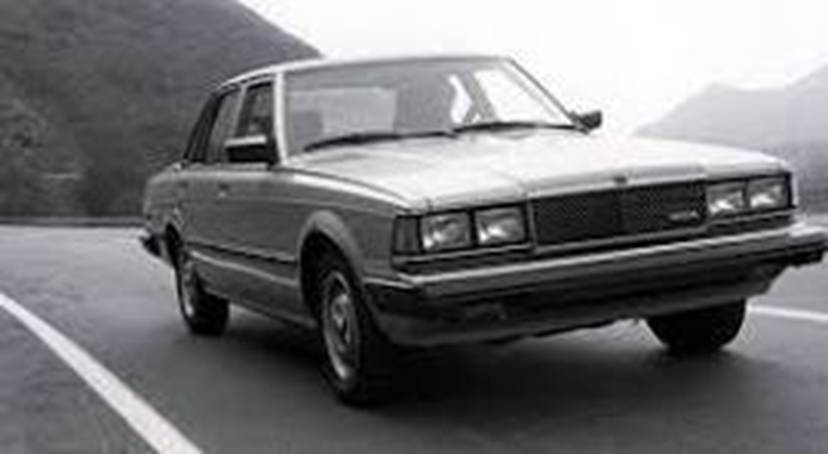
Cressida on the road – Did they know that Cressida deserts Troilus for Diomedes in the Trojan War
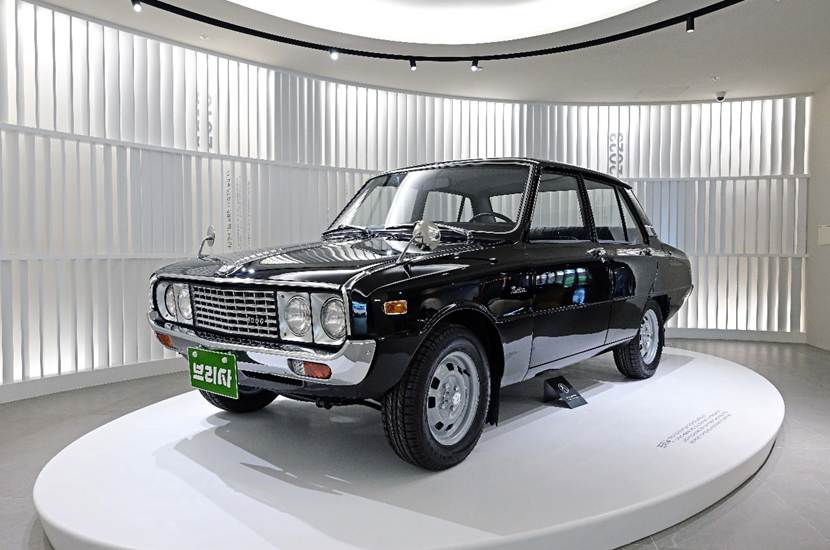
An Early Kia – First spotted by me in Puerto Rico
But why all the ‘a’s? Prejudice? Bias of some sort? Is there a secret phonetic symbolism ad men know that ordinary mortals don’t ? And notice that the ‘a’ sound is always an ‘ah’ as in ah-choo rather than ‘a’ as in ache or asinine.
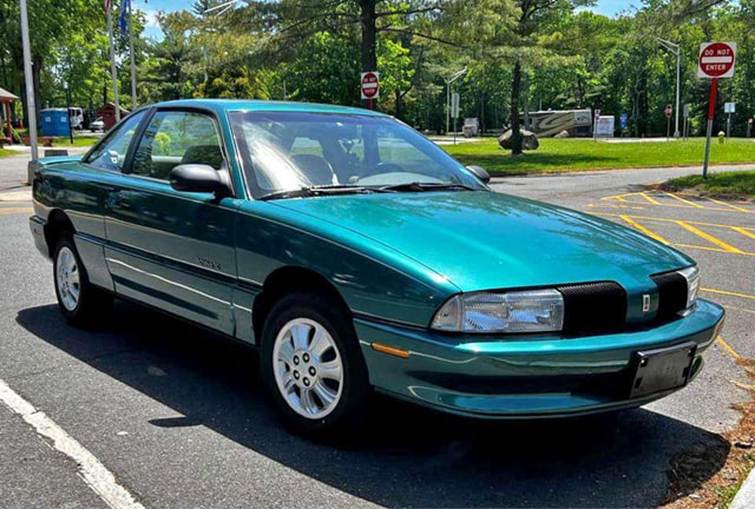
Smart Achieva – in front of ‘Do Not Enter’ signs
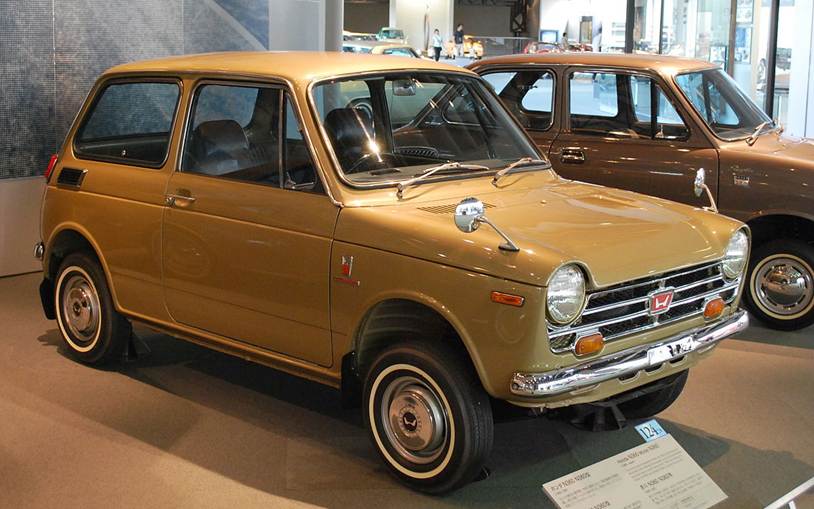
Mid-seventies Honda – A grey one made many trips back and forth to Stratford
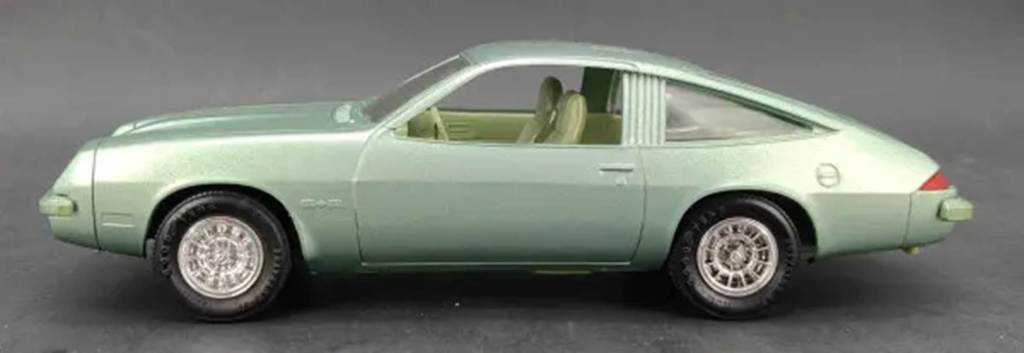
Lovely mint green Monza – not universally loved by auto aficionados, mint green or not
I Facebooked my observation and found that one or two other people had also noticed it. One of the comments listed a number of car names that were unknown to me and I am guessing they are European brands or models. However, none of these people had any light to shed on the final ‘ah’ sound in car names.
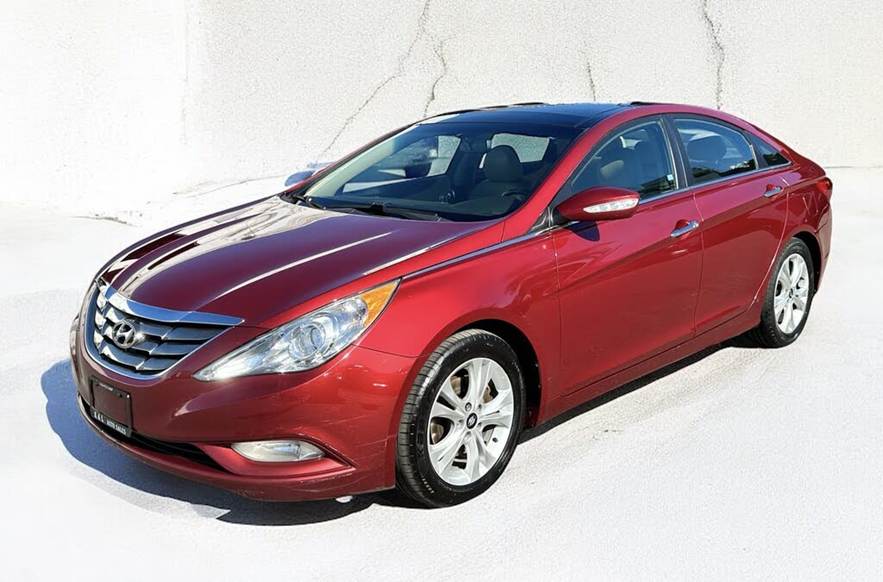
Red Sonata – Why not a Stretta or an Aria?
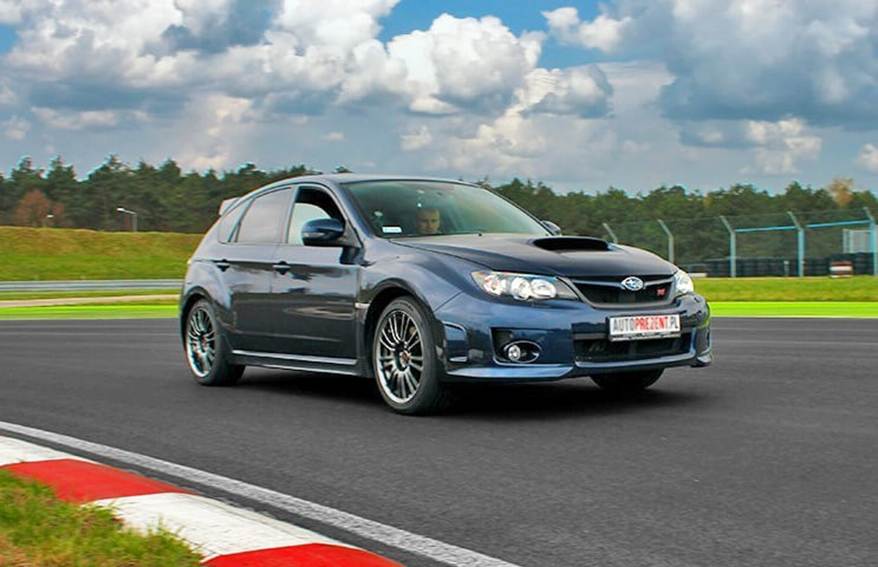
Impress with Impreza – nice cloud cover
In an effort not to show favoritism towards any brand of automobile or letter of the alphabet, I have over the years owned a Fiat, Dodge, Honda, Ford and Mazda. Cars are both beloved and reviled but it cannot be denied, they get us where we need to go with remarkable ease thanks to the reliability of the internal combustion engine. And lest I be pilloried by the Green Party, I hasten to note that the electric motor was practical as early as 1888.
Curiously yours,
Col. Barney
 Retired but not retiring...
Leave a comment